
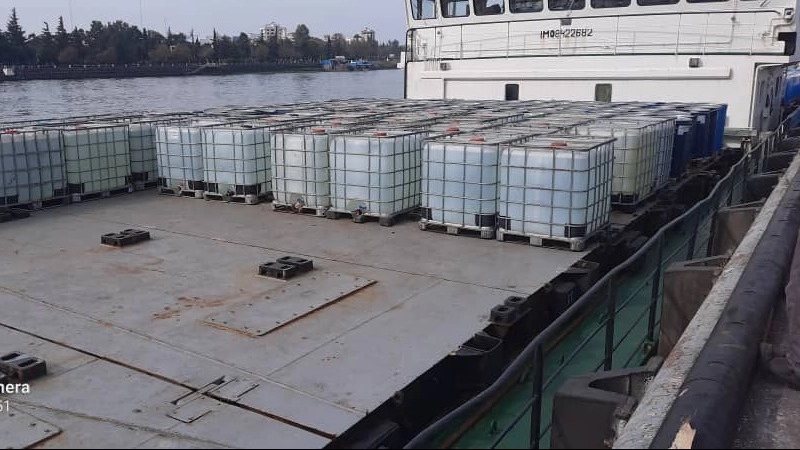
1. Review of Rules and Regulations:
Iran Export Laws: You must first examine the rules and regulations of cement export in Iran. These rules may include restrictions, licenses, and specific standards for export cement.
Import Country Rules: You must also check the rules and regulations of cement imports in the destination country. These rules may include tariffs, construction standards, imports required for imports and other requirements.
Sanctions: In the event of trade sanctions against Iran or the country of destination, you must ensure that there is no restriction on cement export to this country.
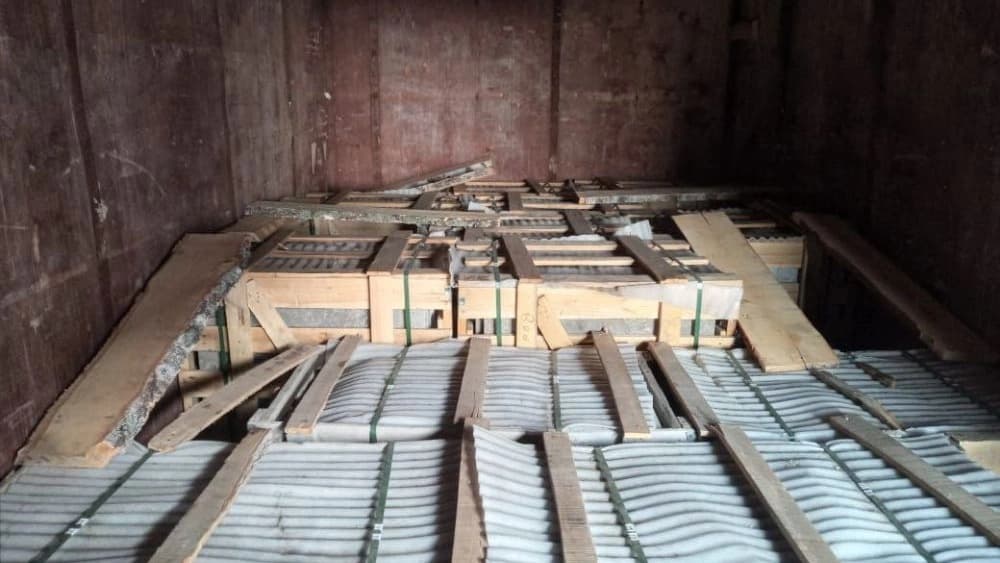
2. Select the Transportation Method:
Maritime Transport: This method is usually suitable for large volumes and long distances. For maritime transportation, you must coordinate with shipping and shipping companies. Land Transport: This method is suitable for shorter distances and neighboring countries. You can use trucks or train for land transport. Air Transport: This method is suitable for low volumes and very long distances, but the cost is much higher than the other two methods.
3. Documentation:
Business Factor: Provide a detailed business factor with all the details of export cement (type, quantity, price, etc.). Bill: Provide the shipping bill based on the selected transportation method. Certificate of origin: Certificate of origin to confirm that cement has been produced in Iran. Certificate of Inspection: Get cement quality inspection certificate from a valid inspection company. Other Documents: You may be asked for other documents such as a Health Certificate, Standard Certificate and other necessary permits.
4. Packaging and Loading:
Packaging: Pack the cement properly and resistant to prevent damage during transport. Cement bags with plastic or jumbo are usually used. Loading: Carefully load the cement based on safety principles.
5. Customs clearance:
Exports: For clearance from Iran Customs, you must provide the necessary documents and pay customs tariffs. Import: To clearance from the destination country, you must submit the necessary documents and pay customs tariffs.
Important Tips:
Insurance: Be sure to insure your cargo to offset your damage in the event of unexpected accidents.
Payment: Before submitting cement, agree with the buyer on payment methods.
Advice: To do this, it is best to consult with business and export experts.
Cement exports to Russia can be a good business opportunity, but it requires the specific points and steps that are mentioned below:
Profit of Export Cement
export cement features must be such that it meets both international standards and meets the needs of the target market. Here are the most important features of export cement:
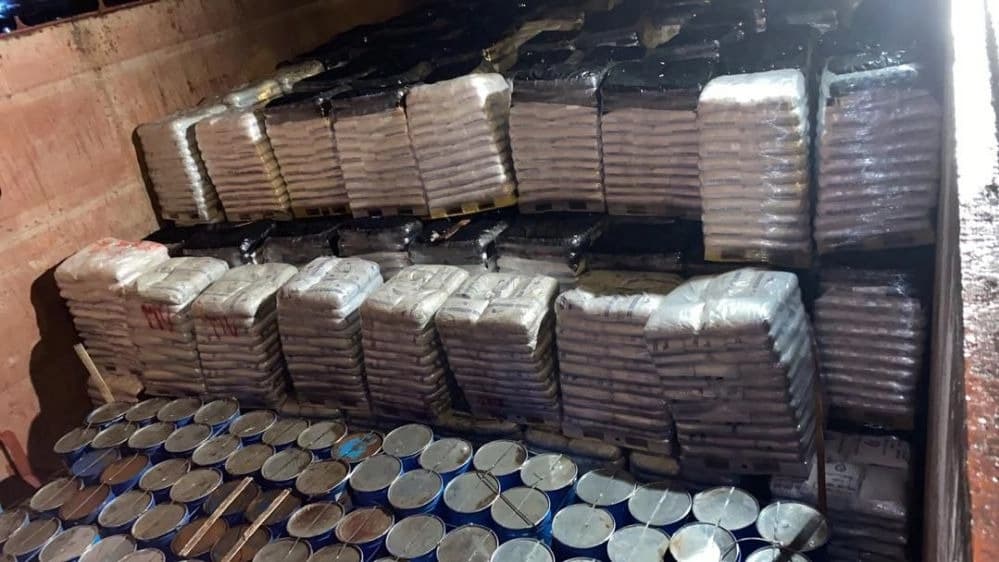
1. Cement Type:
Portland Cement: The most widely used type of cement used for general building use. There are different types, such as:
Portland Type 1 Cement (Type I): For public use without the need for specific resistance to sulfates.
Portland Type 2 Cement (Type II): Medium Resistance to Sulfates.
Portland Type 3 Cement (Type III): High initial resistance, suitable for projects that require rapid capture.
Portland Type 4 (Type IV): With low hydration heat, suitable for bulk concrete.
Portland Type 5 (Type V): High resistance to sulfates.
White Cement: For decorative use and cases where concrete white is important.
Pozzolanic Cement: Contains pozzolani materials that increase concrete resistance.
Slag Cement: Contains a sliced iron slag that enhances the strength and durability of the concrete.
Other Cement Types: Depending on the needs of the target market, other types of cement such as aluminum cement may also be required.
2. Quality and Standards:
National Iranian Standard (ISIRI): Export cement must be in accordance with Iranian national standards.
International Standards: Cement must be in accordance with international standards such as ASTM, EN or GOST.
Quality Certificate: Cement must have a quality certificate from valid laboratories.
Quality Tests: Cement should successfully pass various tests such as compressive resistance testing, time of time testing, soft testing and chemical tests.
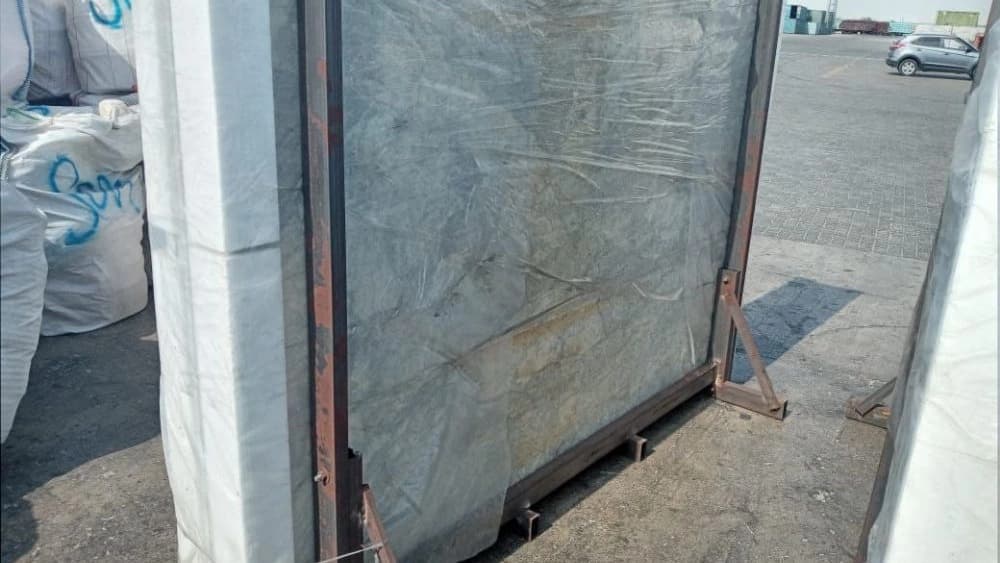
3. Physical and Chemical Specifications:
Cement softness: Cement softness should be in the standard range. Time Time: The initial and final cement retention time should be within a specific range. Compressive strength: Cement compressive strength must be in accordance with the standard (3, 7, 28 days). Chemical composition: The chemical composition of the cement (different oxides) must be in accordance with the standard. Sulfate level: Sulfate rate in cement must be within a specified range.