
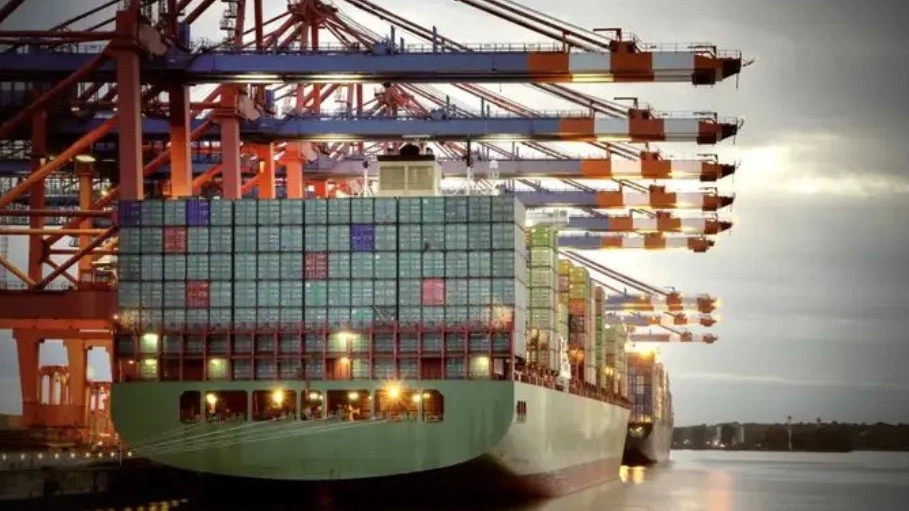
Clearance and sea transportation are two important and related issues in international trade. Here is a brief overview of each:
Clearance:
Clearance is the process by which imported or exported goods receive an exit or entry permit from customs. This process includes presenting documents, paying customs duties and taxes, and performing other legal formalities.
The main steps of clearance of goods:
- تهیه مدارک: شامل فاکتور، بارنامه، گواهی مبدا، مجوزهای لازم و سایر مدارک مورد نیاز گمرک.
- اظهار کالا به گمرک: ثبت اطلاعات کالا در سامانه گمرکی.
- ارزیابی کالا: بررسی مدارک و تطبیق با کالای موجود.
- پرداخت حقوق و عوارض گمرکی: محاسبه و پرداخت مالیاتها و عوارض بر اساس ارزش و نوع کالا.
- صدور مجوز ترخیص: پس از طی تمام مراحل، گمرک اجازه خروج کالا از گمرک را صادر میکند.
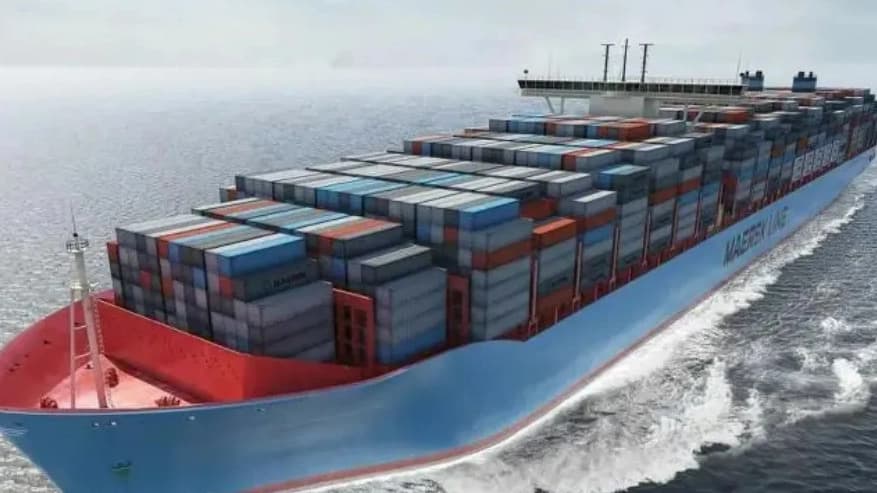
Important Tips for Clearance and Maritime Transport:
- قوانین و مقررات گمرکی هر کشور متفاوت است و باید به آنها توجه شود.
- استفاده از خدمات ترخیص کار ماهر میتواند در تسریع و تسهیل فرآیند ترخیص کالا موثر باشد.
- دقت در تهیه مدارک و اظهار اطلاعات صحیح کالا بسیار حائز اهمیت است.
Shipment of goods from the sea:
Maritime transport refers to the movement of goods through ships in seas and oceans. This method is one of the most common and cost-effective methods of international transportation.
Types of ships:
- کشتیهای کانتینری: برای حمل کالاهای بستهبندی شده در کانتینر.
- کشتیهای فلهبر: برای حمل کالاهای فله مانند غلات، زغالسنگ و مواد معدنی.
- کشتیهای تانکر: برای حمل مایعات مانند نفت و گاز.
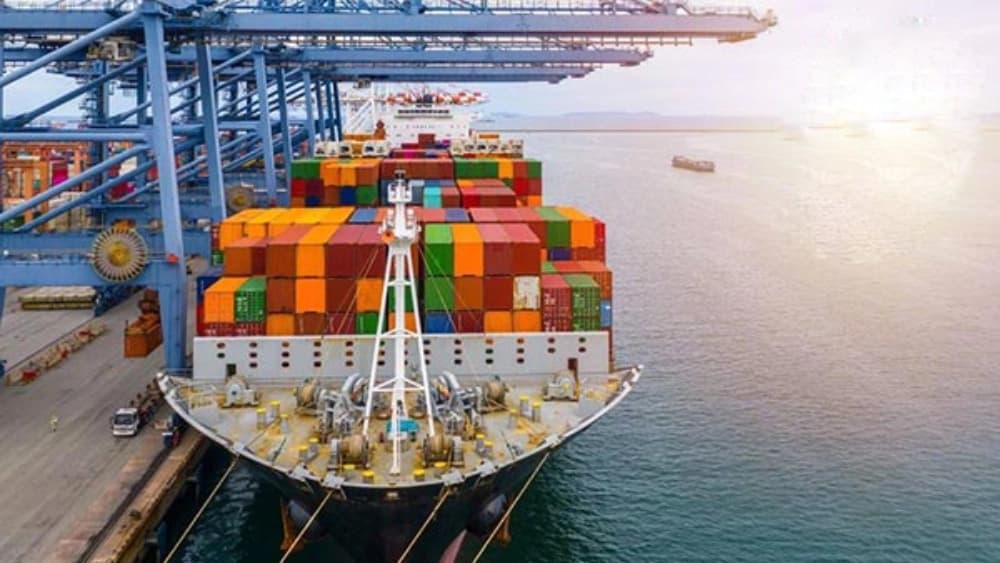
Transportation steps from the sea:
- رزرو فضا در کشتی: با توجه به حجم و نوع کالا، فضای مورد نیاز در کشتی رزرو میشود.
- بستهبندی و بارگیری کالا: کالاها به درستی بستهبندی شده و در کشتی بارگیری میشوند.
- حمل و نقل دریایی: کشتی کالاها را به مقصد مورد نظر حمل میکند.
- تخلیه کالا: پس از رسیدن به مقصد، کالاها از کشتی تخلیه میشوند.
Sea transportation is very suitable for bulky and heavy goods. The cost of sea transportation is lower than air transportation. Sea transportation time is longer than air transportation.
Delay in transportation and Transfer due to weather conditions and other factors. Risk of damage to goods during transportation. The need for detailed coordination between the sender, the receiver and the shipping company.
The connection between clearance and shipping of maritime:
These two processes are closely related. After the goods arrive at their destination through sea transportation, the goods clearance process must be done so that the goods are allowed to enter the country. Sea transport documents such as the bill of lading are one of the necessary documents for goods clearance. >Coordination between the transport company and work clearance can be effective in facilitating both processes.
International Maritime Shipping Costs
The cost of shipping by ship, like other modes of transportation, depends on various factors. These factors include the origin and destination, the type of cargo, volume and weight of the cargo, as well as the method of transportation that the owner of the cargo chooses.
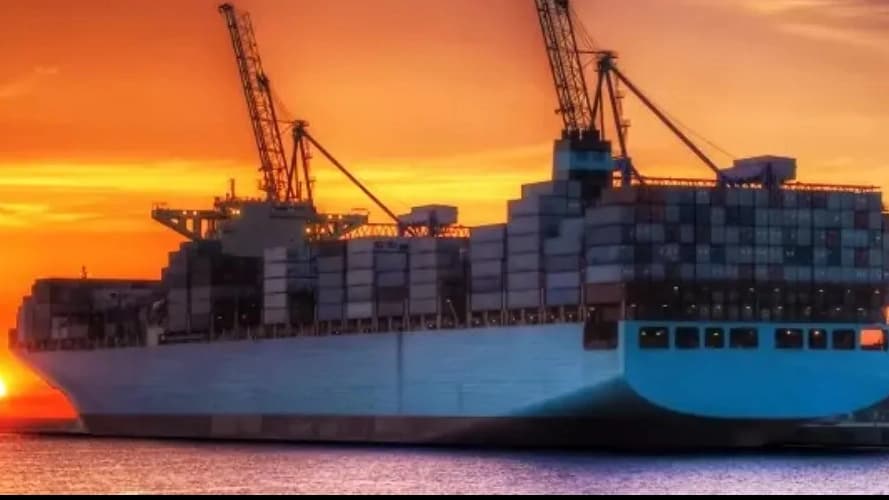
The type of sea freight is also one of the factors influencing the cost of shipping by ship. Cargo can be bulk, packaged, dangerous, machinery or other types, and each of these types has its own tariffs and costs.
Customs rules in maritime transportation
Goods clearance is a set of legal and financial measures that are taken to obtain permission to enter or leave the country. The responsibility for issuing these permits is mainly on the customs.
In simple terms, clearance refers to the declaration of the goods at the customs and receiving permission to leave them.